Warning Signs Your Flat Roof Needs Attention Now
Flat roofing systems are built to last, but they do send warning signals before small problems become expensive ones. Property owners in Chesapeake, VA, who know what to look for can act early and avoid major disruptions to their buildings and operations. This post covers the most common warning signs that a flat roofing system needs professional attention, which of them are most urgent, and what to do next.
Ponding Water: The Most Visible Red Flag
Ponding water is one of the clearest signs that a flat roof needs attention. A properly designed flat roofing system drains within 48 hours after rain. When standing water stays longer than that, it adds significant weight to the roof deck and may accelerate membrane deterioration. Chesapeake, VA, receives substantial seasonal rainfall, and the region's low-lying terrain means drainage performance matters even more than in drier climates. If you notice water pooling in the same spots after every storm, schedule a same-week inspection. Left unaddressed, ponding can compress insulation, weaken the roof deck, and eventually work its way into interior spaces.
Membrane Bubbling and Seam Gaps
Membrane bubbling signals that moisture or air has become trapped beneath the surface. This is a same-week concern. Bubbles and blisters indicate that the bond between the membrane and underlying insulation has weakened. Once that bond fails, the membrane can crack or tear, opening a direct path for water intrusion. Seam gaps are equally urgent. When the seams that connect sections of a flat roofing membrane pull apart, water can enter the system even during light rain. In the Hampton Roads coastal environment, humidity and temperature swings put constant pressure on seam adhesives and lap joints, making periodic seam inspection especially important for Chesapeake commercial properties.
What Membrane Bubbling Looks Like
Membrane bubbles appear as raised, rounded patches anywhere on the roof surface. They may feel soft underfoot and often form near drains, penetrations, or areas with inadequate slope. Some bubbles are small and isolated; others can span several square feet. Either way, they signal a compromised system that warrants professional evaluation.
Interior Stains and Ceiling Damage
Interior water stains are a reliable indicator that a flat roof system has already been breached. These stains often appear as brown or yellow rings on ceiling tiles, drywall, or along wall joints. The actual entry point of the water may be several feet away from where the stain appears, since water travels along structural members before dripping down. For Chesapeake businesses that operate warehouses, retail spaces, or office buildings, interior staining can also indicate damage to insulation and roof decking above the ceiling. Once a flat roofing system is allowing water into the building envelope, the repair scope grows the longer repairs are delayed.
When Interior Stains Warrant Immediate Action
If ceiling stains are accompanied by sagging drywall, visible mold growth, or dripping water during rain, do not wait for a scheduled maintenance visit. These are signs that structural components may already be saturated. Contact a roofing professional the same day.
Rising Energy Costs With No Obvious Explanation
A flat roof that is performing well helps regulate interior temperatures. When the membrane or insulation layer is compromised, conditioned air escapes more easily and HVAC systems work harder to compensate. If your energy bills have been creeping up and no other change explains the increase, the roof may be a contributing factor. This is less urgent than ponding water or seam gaps, but it is still worth investigating during your next scheduled inspection. Wet or compressed insulation loses its thermal resistance and can quietly raise operational costs for months before other symptoms appear.
Flashing Failures and Rooftop Penetrations
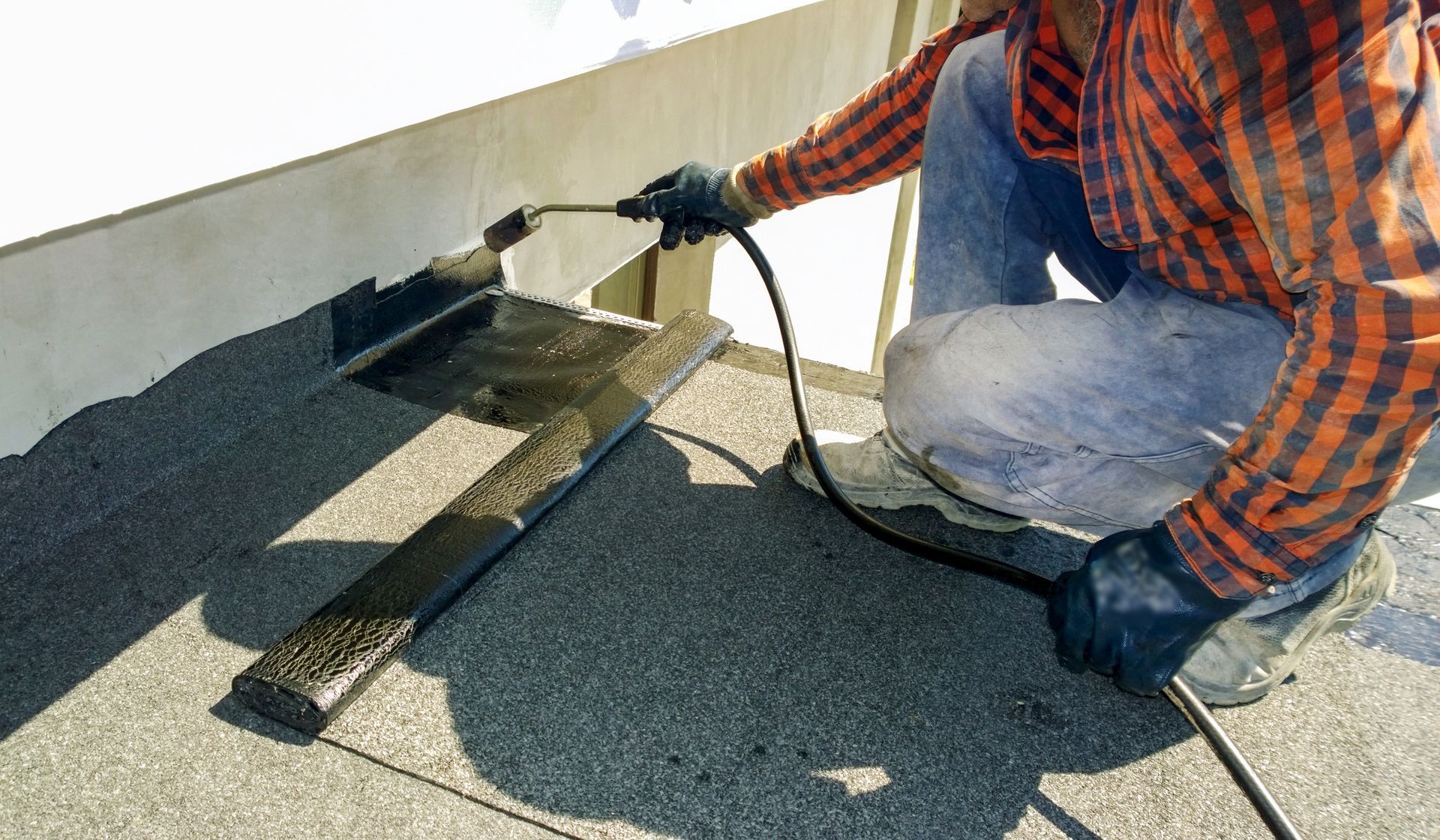
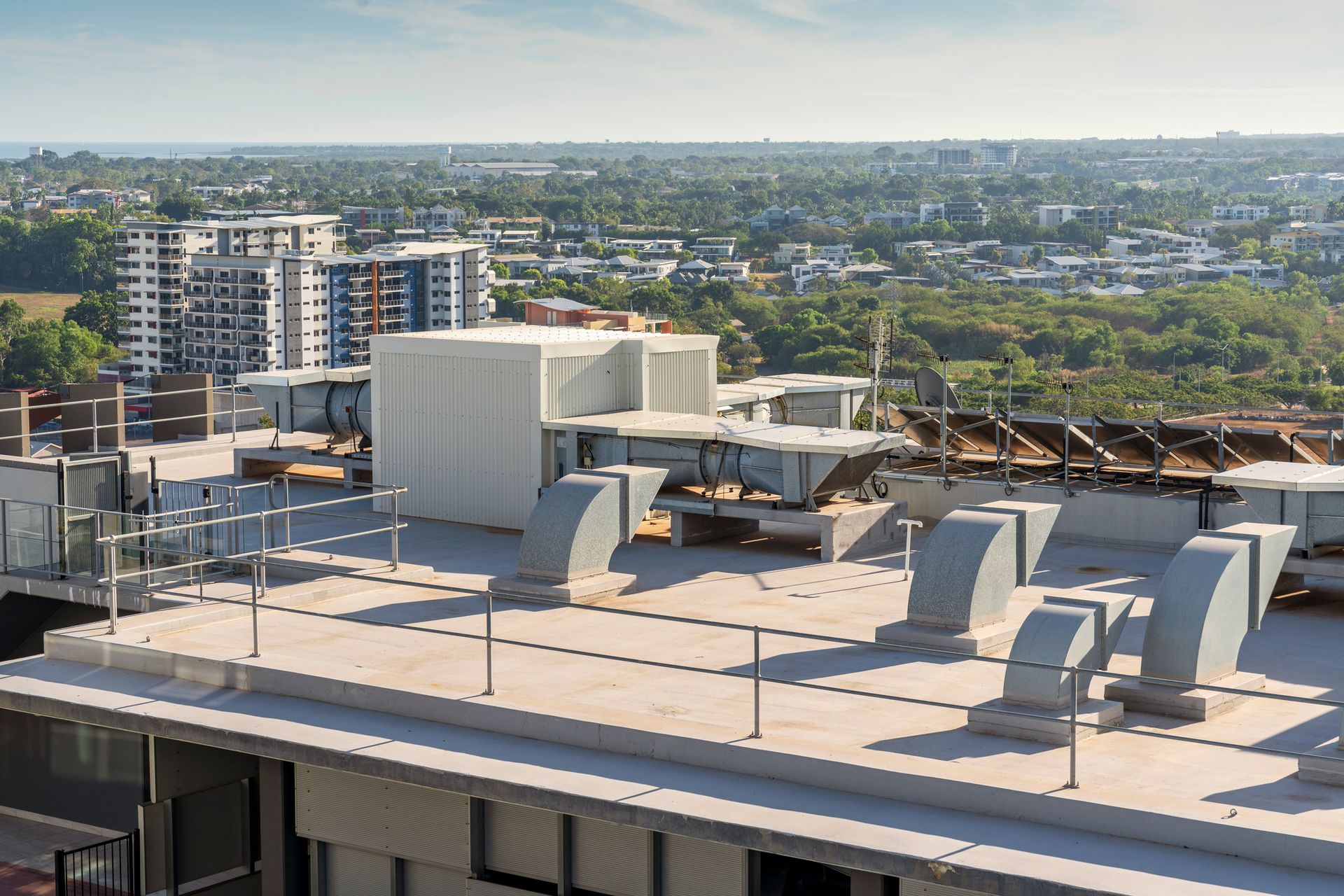
Roof flashing seals the joints where the flat roof membrane meets walls, curbs, vents, HVAC units, and other penetrations. When flashing pulls away, cracks, or corrodes, those transition points become entry points for water. Chesapeake commercial properties often feature rooftop HVAC equipment and exhaust penetrations, all of which require reliable flashing to stay watertight. During any visual inspection, pay close attention to the base of parapet walls and around every penetration. Deteriorated caulking and lifted metal flashing are two common signs that a repair is overdue.
Which Warning Signs Require a Same-Week Inspection?
Any sign involving active water intrusion, open seams, significant membrane bubbling, or standing water lasting more than 48 hours warrants a same-week inspection. These conditions can escalate quickly during heavy rain events. Less urgent signs, such as slight surface weathering or minor flashing scuffs, may wait for a scheduled maintenance visit but should still be documented and monitored.
How Often Should a Flat Roof Be Inspected?
Most roofing professionals recommend inspections twice a year, typically in spring and fall, plus after any major storm event. Chesapeake, VA, properties may also benefit from a post-hurricane-season check, given the region's exposure to tropical weather systems. Whether you need flat roofing services in Newport News or a broader look at what commercial roofing solutions in Chesapeake can include, proactive scheduling is one of the most cost-effective steps a property owner can take.
Take Action Before the Next Storm Season
Flat roofing issues rarely resolve on their own. The warning signs covered here (ponding water, membrane bubbling, seam gaps, interior stains, and rising energy bills) are the roof's way of asking for attention before a minor repair becomes a major project. National Roofing Corporation serves Chesapeake, VA, with flat roofing inspections, repairs, and full system installations backed by decades of Hampton Roads experience. Call (757) 465-1188 to schedule a professional inspection, or request a free quote to get started today.